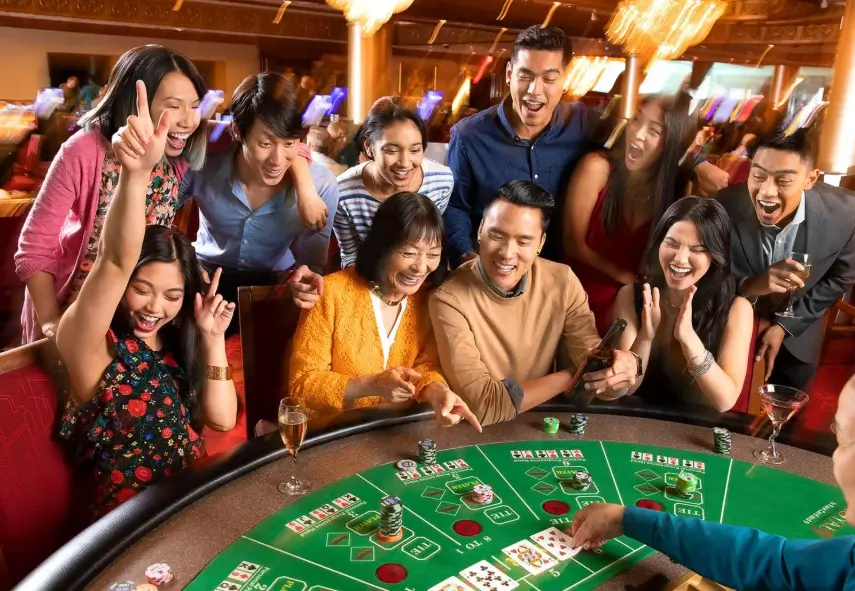

The idea of a live casino studio might seem like a far cry from a fashion shoot, but it’s not. Both are created for the camera – clothing, light, color, background details and framing must all support each other in the camera. The viewer typically views the final piece on a cell phone or laptop, so all of the decisions made have to be made with that in mind.
This is a straightforward technique to notice all through live dealer environments platforms linked with tamasha bet live casino india. The dealer’s face and the frame for the table, studio background, and information on the screen are all the same size. A well-designed visual system keeps each element legible, so that they don’t vying for attention.
The camera changes how colors and clothing are chosen
The look of a color can change when lighting and cameras are in the studio. The appearance of fabric can vary, ranging from brighter to darker, warmer to cooler, depending on the lighting arrangement. Patterns can also appear more busy on video than in the real world. This is why the clothing for a live studio should be evaluated not only on-site but also via the camera.
Same problem for fashion photographers. Clothing must fit the environment as well as the lighting and color of the participants’ skin tones, while ensuring that the subject remains visible. The same concept can be applied to live casino studios. Dealer’s clothes should be visible above the table and above the background, but still part of the general color scheme.
Several choices can make an outfit easier to read on screen:
- Solid colors that remain clear under studio lighting.
- Controlled patterns that do not compete with the background.
- Strong contrast between clothing and the set.
- Fabrics that hold their shape well on camera.
- Accessories that support the look without drawing too much attention.
These details help create a clean image before any interface graphics are added.
Fashion editorials and live studios both need a focal point
Fashion editorials typically provide a single focal point for the eye. This can be the model’s face, a piece of an outfit or just a detail in the frame. The surrounding objects complement that focal point, but do not battle it. Live studio design is similar.
The activity of the dealer and table typically must be the primary visual interest. The studio can have some personality in the form of decorative lighting, wall graphics and background features, but they should be kept to the background. A viewer should be able to connect the stream and be able to see where the action is.
Framing also impacts the ease of the screen. Space around the dealer does not make the image feel too cramped, and allows for interface elements. The angle of the camera can help to capture the table without losing out on the person. The outcome is a design that is designed rather than cluttered with distracting information.
Lighting connects the person with the set
Studio lighting is more than just about lighting up a room. Changes the color of the skin, texture of fabrics, table surfaces and background colors while taking photos. Each of those elements can be good when viewed individually, but not so good when they are all in one picture.
Often the lighting in fashion shoots is a mix of front lighting, fill light, and background lighting, with the goal of keeping the subject separated from the set. Using similar tricks, a live casino studio can implement the same principles to ensure the dealer is easy to see from the player’s point of view but still has depth behind the table. The goal is a fixed image that is easily seen during the show.
Another way that lighting can affect the studio is by changing the ambiance. Warm lights can make for a more subdued look, while cooler hues will lend a cleaner, contemporary vibe to the ensemble. The important point here is that the direction taken is more important than the constant changes of images.
Wardrobe and set design need to speak the same visual language
Dealer clothing works best when it looks as though it belongs in the room. A formal set may suit structured clothing and restrained colors. A brighter, more playful studio can support stronger accents or more casual styling. The visual relationship should feel deliberate rather than accidental.
A fashion stylist would usually consider several parts of the image together:
- Background color.
- Clothing tone.
- Table surface.
- Lighting temperature.
- Accessories and small decorative details.
Live studio designers can use the same method. Looking at the full frame instead of choosing each element separately helps prevent visual clashes and makes the finished broadcast feel more coordinated.
The wardrobe does not need to match the set exactly. Contrast can be useful because it keeps the dealer visible. What matters is that the colors and shapes work together as one composition.
Small details become more noticeable on camera
The live camera is sometimes easier to spot small design elements. A reflective fabric, bright accessory or a very detailed background can get more attention on the screen than is envisioned. Fashion production teams typically test these things before a shoot and live studios should too.
Camera tests show the colour characteristics, if they can be distinguished and separated from the background or whether they are reflected on tables or decorative surfaces. They also display the appearance of the frame on other screen sizes. A design that performs well with a large screen should be equally effective on a small screen like a phone.
Testing also enables designers to make minute tweaks to the set without having to rebuild it. Swap out one component of the lighting, the color of the clothing or the background and the composition will appear cleaner.
A recognizable studio style comes from consistency
Consistency in fashion editorials comes from the color, lighting, composition and styling options. The same goes for live casino studios, which can maintain a consistent look through wardrobe, set design and framing. Sometimes, additional information can vary between broadcasts and the appearance is consistent. Whether it is a lecture hall or a workshop, having a clear, balanced and easy-to-recognise screen with strong visual direction will help focus attention.